COMMUNITY
The End of the Wave

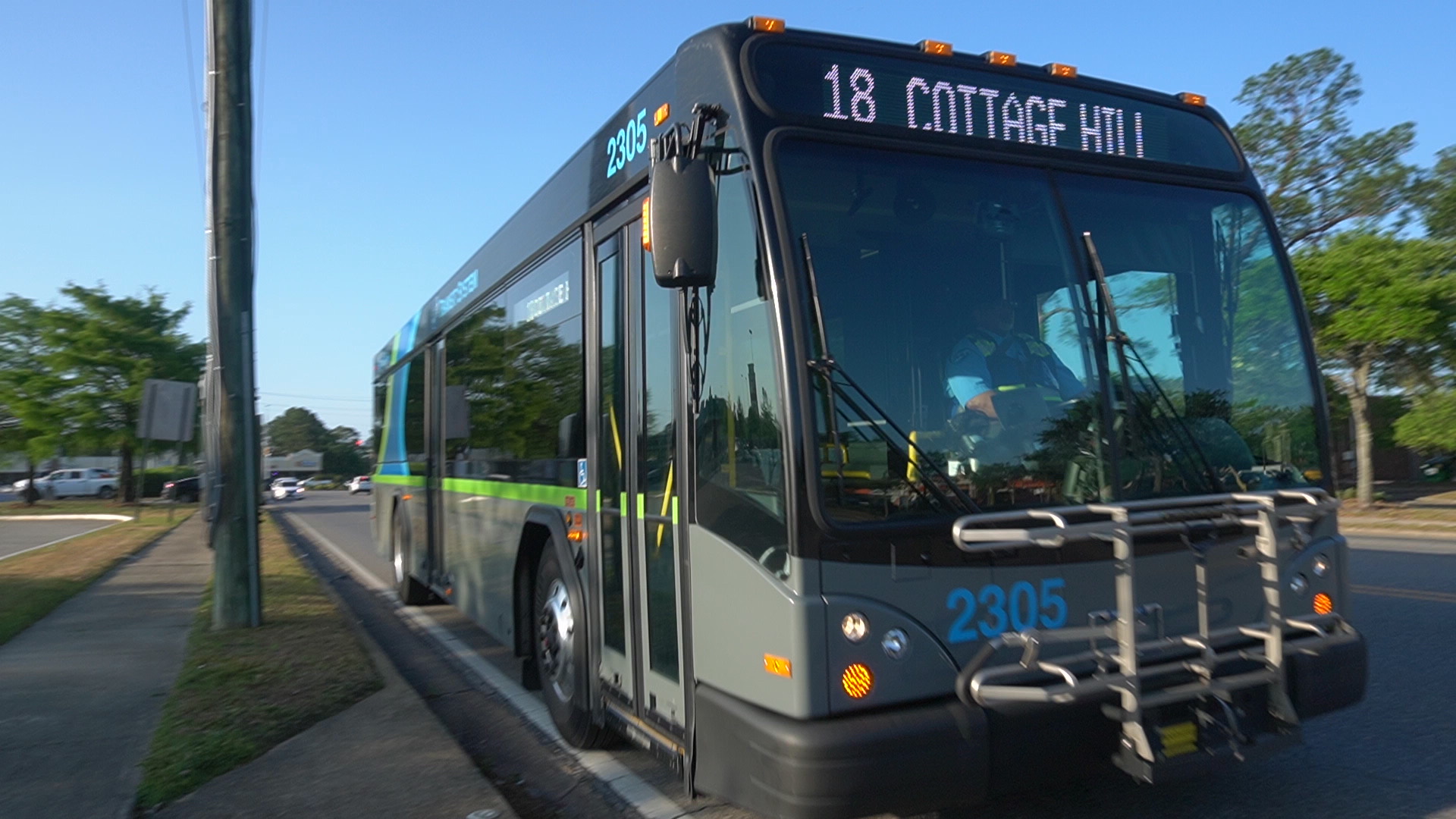
In October of last year, the City of Mobile approved a $12.1 million contract with Via Transit LLC to provide an updated system of trolleys, microtransit and paratransit services to the city in order to augment the fixed-route bus system that currently exists.
In addition to expanded services Mobile's transit system, known as The Wave since 2005, will be renamed to Second Line Transit in the July rollout. The name was chosen in a recent community survey conducted by Via.
Via has done similar rollouts in other cities. In 2020, Jersey City implemented a hybrid system like the one proposed for Mobile, adding Via as a last-mile solution while maintaining aspects of traditional transit like buses, with the city reporting improved access to transit hubs and underserved neighborhoods.
Mobile's transit system began as a privately owned and operated mule-drawn trolley system called the Mobile & Spring Hill Railway, which began operations in 1860 running a single line from Commerce Street to Spring Hill College.
As of 2024, Mobile transit had an annual ridership of 628,000, with 12 fixed bus routes running throughout the city. The city's transit system also features a downtown trolley circulator and service between Mobile and Baldwin counties.
Current ridership consists primarily of low-income households with no access to a vehicle, as well as elderly and disabled populations, with demand clustering in areas which experience higher rates of poverty.
The South Alabama Regional Planning Commission's Mobile Area Demand-Response Transit System Feasibility study, released July 2020, highlighted gaps in service, including difficulty serving sprawling, dispersed populations.
A driver familiar with Wave operations says that the Via transition hasn't really affected their typical day on the job, "There's some changes they need to make, some updates...but everything else has been pretty smooth...the company seems pretty decent so far."
When asked about reporting related to concerns about Via's takeover, they said, "In the beginning, Via did wanna change, but they got with the city, got with the union...and they ended up leaving the pension like it was. So, you know, the pension didn't change. Via agreed to leave everything, as far as benefits, the same...we still carry the same brand insurance, but Via is out of New York, so everything came out of New York."
The city's transit redesign will be revealed in July, when transit services fully transition to the new name and model. In the meantime, you can find more information about the ongoing redesign here.
About M. I. Reynolds
M. I. Reynolds is an independent journalist, storyteller, and tech enthusiast committed to uncovering the Truth. Reynolds highlights working-class stories at the intersection of labor, politics, history, community, technology, and the arts. He entered the world of investigative community journalism after discovering that his great-grandfather, Virdie Reynolds, helped build, lead, and inspire the southern community of Fairhope, Alabama during the 1920s. His goal is to carry on the family legacy and inspire new generations of working class people through concise, intelligent storytelling.