ART
Living and Breathing Art: An Interview With Rachael Ellzey
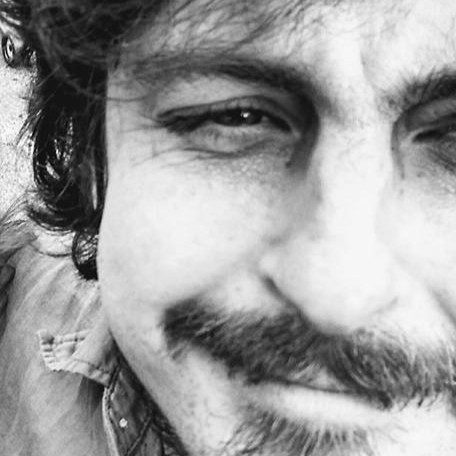
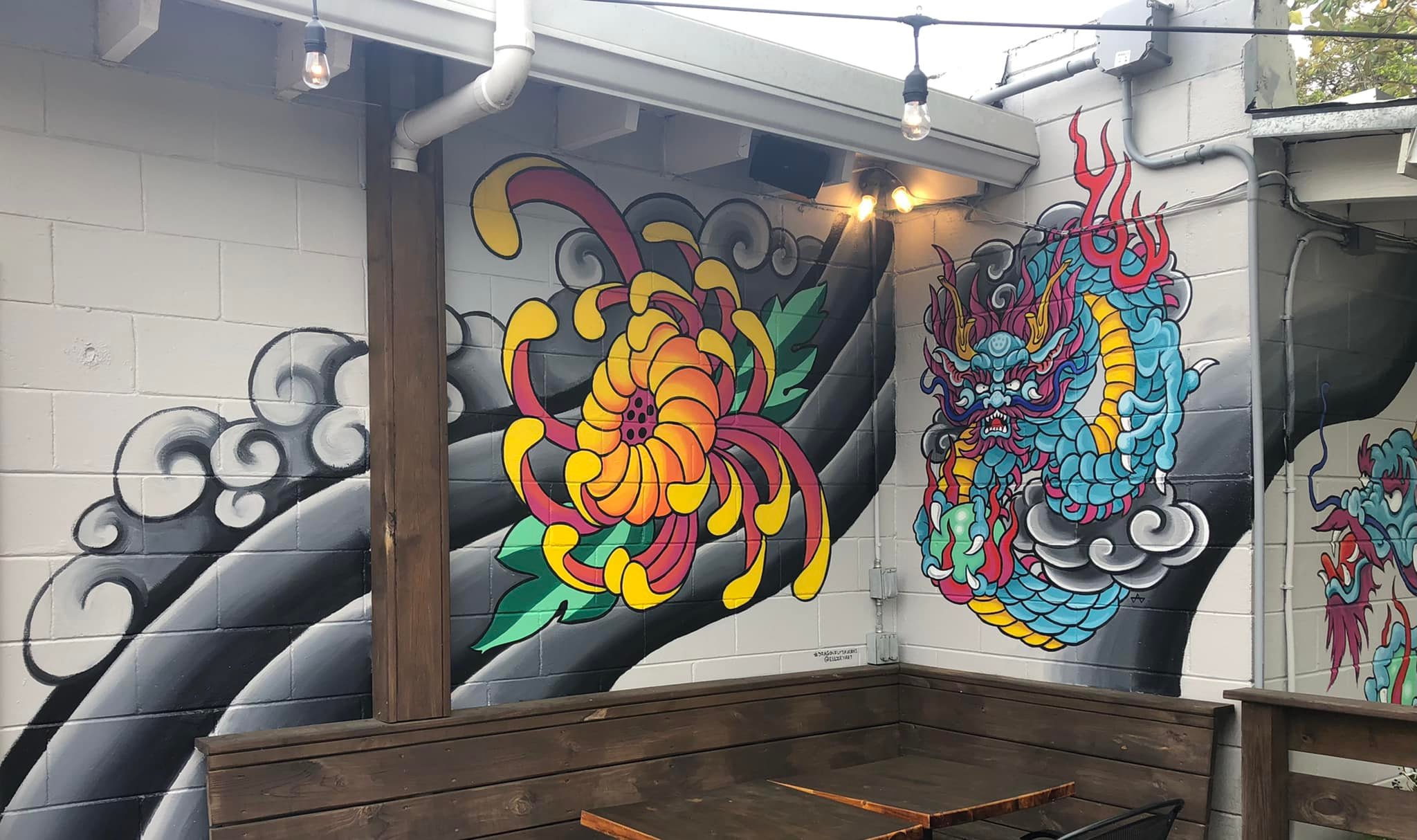
The People’s Cooperative: What’s it like being a working artist on the Gulf Coast right now? Is there a local scene, and how has it been changing?
Rachael Ellzey: I’ll keep my responses focused on tattooing in Fairhope. I’ll also speak from my own experience rather than for the industry as a whole. I work at Man O’ War Tattoo and I’ve been a tattoo artist for seven years now. I’ve enjoyed every minute of it! People from all walks of life choose to get tattooed for a wide range of personal reasons. I find it especially rewarding to play a part in such meaningful experiences. There hasn’t been much of a scene for counterculture or subversive art until recently. The Eastern Shore Art Center now holds “Art Mart” for First Friday Art walk. It’s organized by Brian Tan. Also, Lindsey Lawrence, the Outreach Director, has brought a fresh new energy to the art center as a whole and the future of Fairhope’s art scene is something I look forward to!
TPC: The art world has been going through a significant period of disruption over the last year or two, culturally, critically, and financially. What has that actually looked like from your perspective? What has changed and what hasn’t?
RE: The tattoo industry experienced a surge in demand following the COVID-19 pandemic, but that momentum has since leveled off. As of 2025, my own workload hasn’t been as consistent, a shift I first noticed around September. From what I can tell, this trend extends beyond my local area and appears to be happening worldwide. In my view, two main factors are contributing to the slowdown: economic pressures and an increasingly saturated field of tattoo artists. While not every artist has been affected, I have personally felt some of that strain. I’ve recently started taking on murals (thank you Lynnora Ash) and floristry work (thank you Jubilee Flowers) as side jobs. I’m happy to stay open to letting the universe guide me and I’m very happy to get to revisit these creative outlets.
TPC: Artificial intelligence has created a crisis for visual artists. How has that impacted your work?
RE: I don’t see much of an impact. Tattooing is such a nuanced, hands-on craft that it doesn’t lend itself easily to replication by AI. It might get as far as stamping people. But that’s not very exciting.
TPC: Tattoo art has a complicated relationship with the fine art world. What assumptions do people still get wrong about what you do?
RE: I graduated with my BFA from the University of Montevallo. Since a young child I have lived and breathed art. I can appreciate all its forms. From what I can tell, the fine art world can be judgy and so can the tattoo world. However, ultimately, there are no rules to art and anything goes in my books. If I don’t keep this answer short then it will be a book….
About M. I. Reynolds
M. I. Reynolds is an independent journalist, storyteller, and tech enthusiast committed to uncovering the Truth. Reynolds highlights working-class stories at the intersection of labor, politics, history, community, technology, and the arts. He entered the world of investigative community journalism after discovering that his great-grandfather, Virdie Reynolds, helped build, lead, and inspire the southern community of Fairhope, Alabama during the 1920s. His goal is to carry on the family legacy and inspire new generations of working class people through concise, intelligent storytelling.