
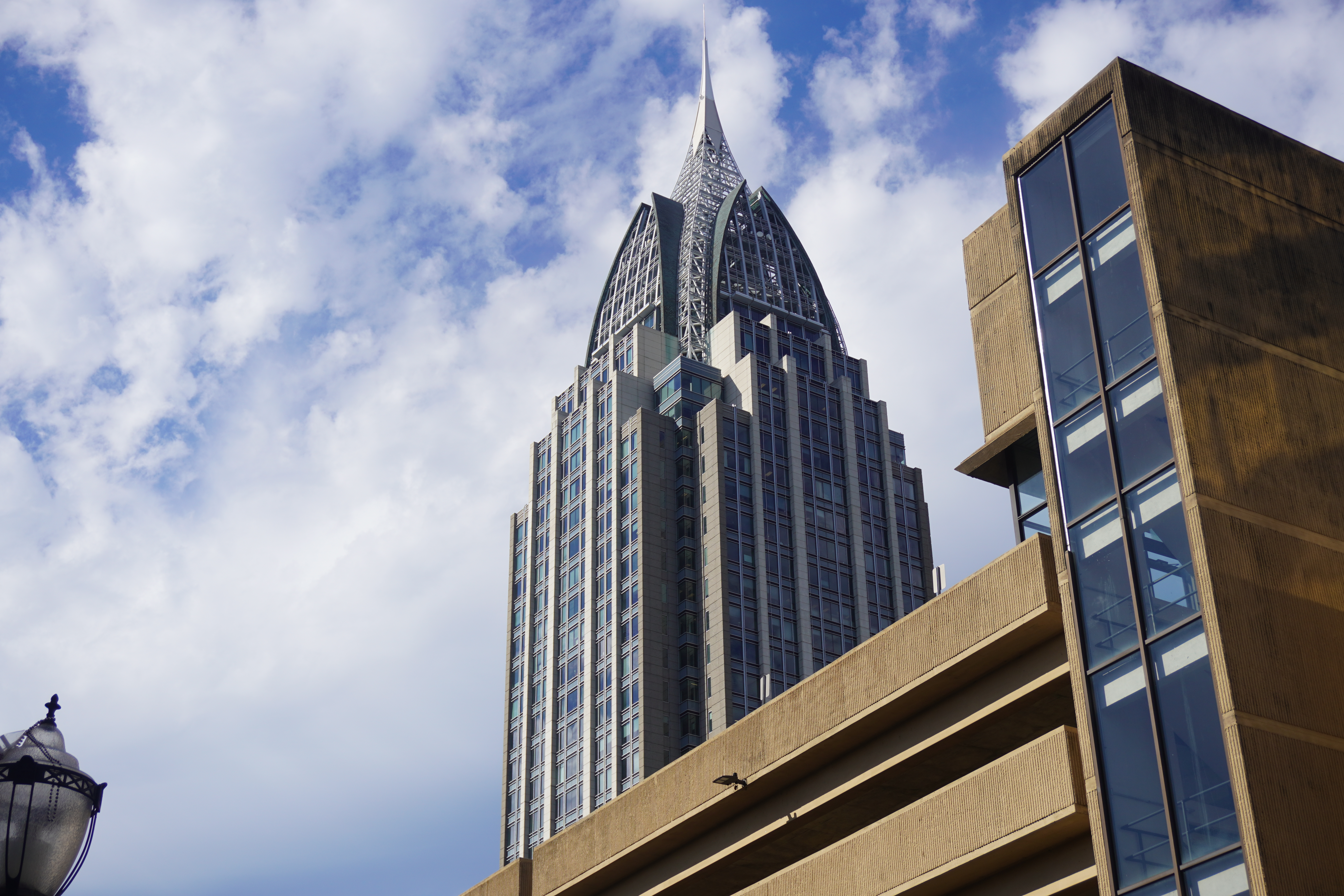
Downtown Mobile's BID Promises Revitalization

RSA Tower in Downtown Mobile
M.I.Reynolds/The People's Cooperative
Downtown Mobile has been experiencing a revitalization the last several years. According to city leaders, a lot of that renewal has been due to efforts made by the Downtown Mobile Alliance (DMA), the city's local Business Improvement District (BID) organization.

The concept of Business Improvement Districts isn't new. There are over 1,000 BIDs in cities across America. Like the DMA, the stated goals of these organizations include things like beautifying the areas they operate in, reducing vacancy, and supporting the arts.
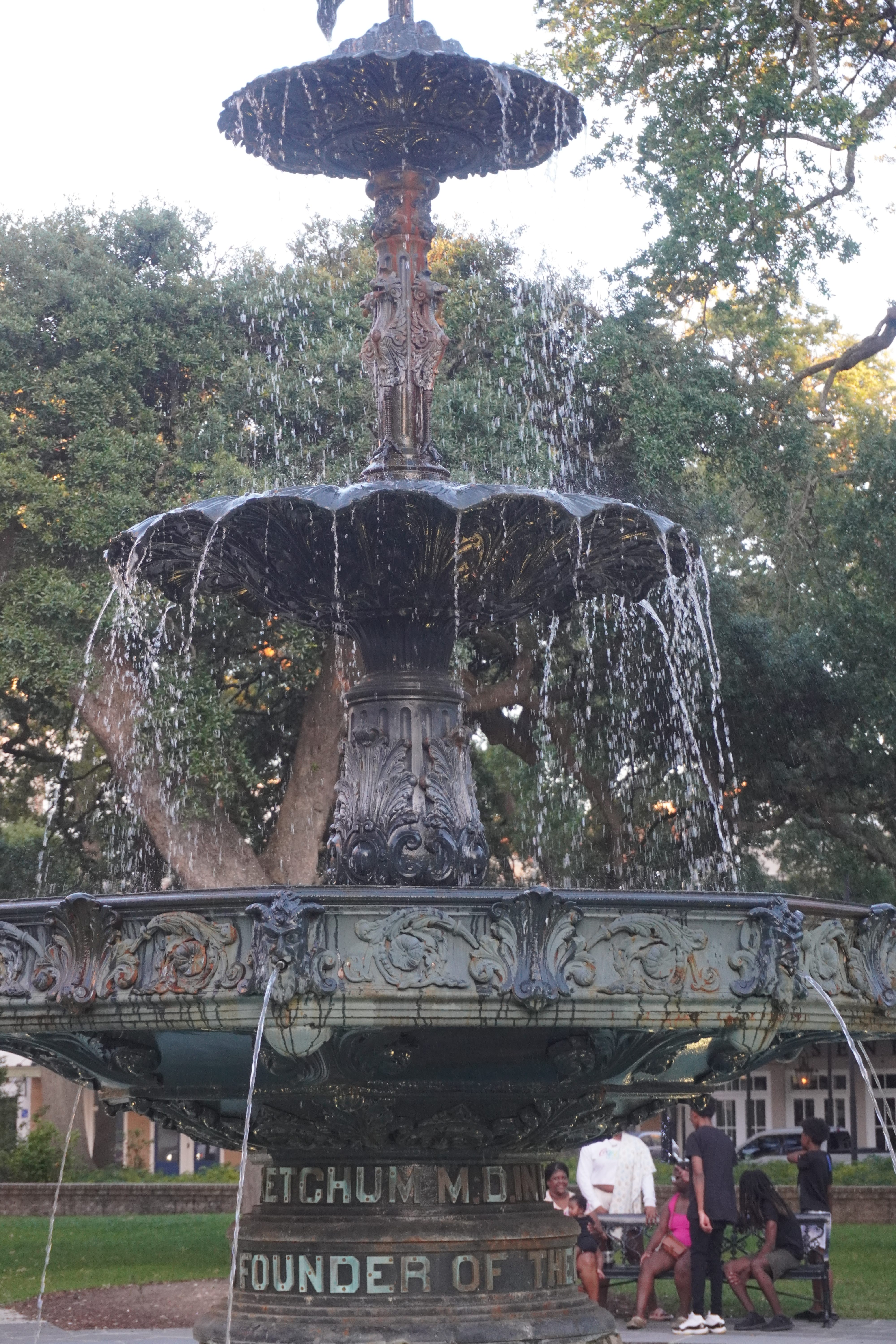
Bienville Square fountain in downtown Mobile
The fountain at Bienville Square remains one of downtown Mobile's most visible public gathering spaces, reflecting the BID's emphasis on beautification, walkability, and civic revitalization in the city center. Photo by M.I.Reynolds/The People's Cooperative


The DMA's Management Plan For The Downtown Mobile Self-Help Business Improvement District for 2019 documents the DMA's objectives for the period July 1, 2020 through June 30, 2025. It includes goals such as, "Bienville Square will be an active, welcoming public space."
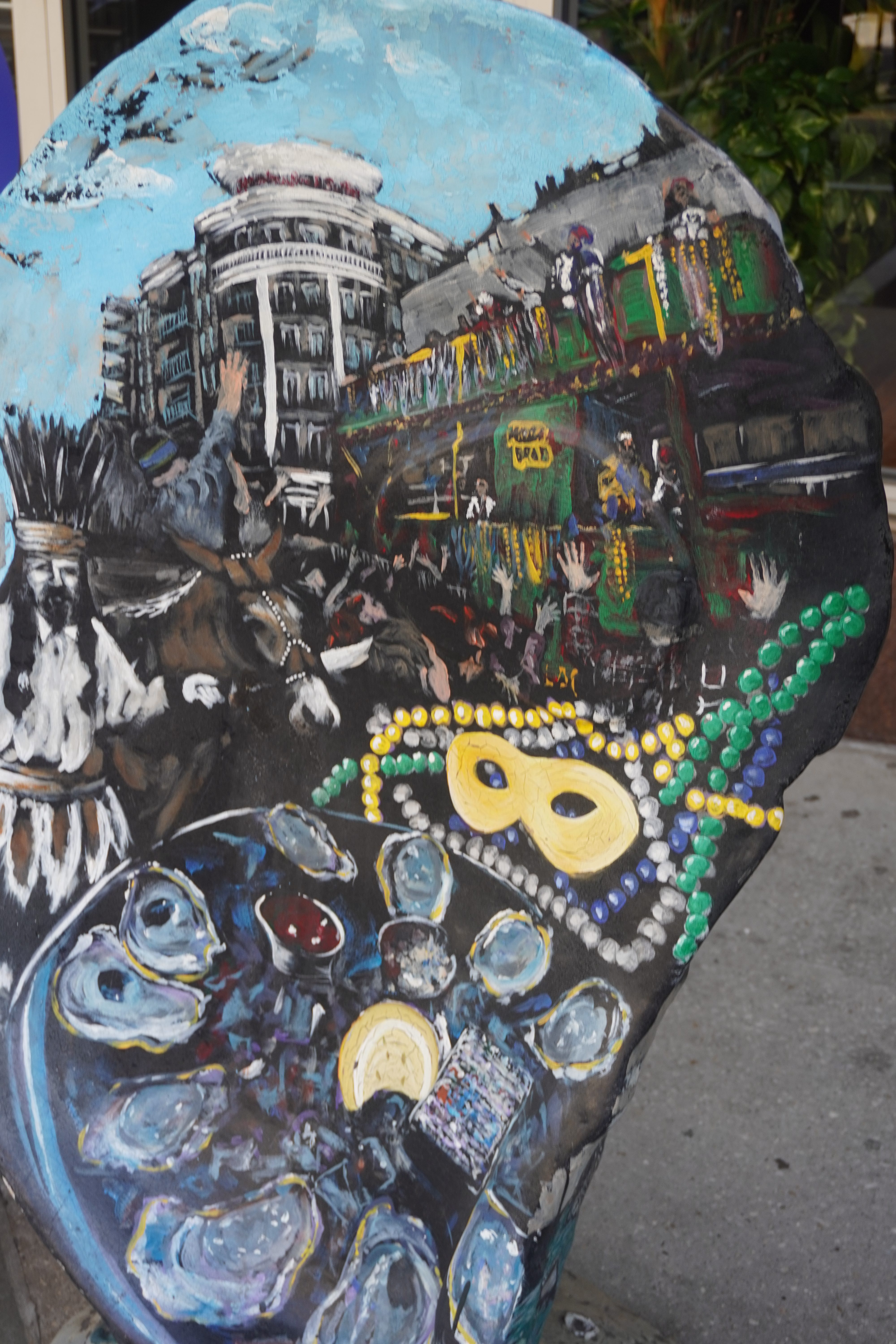
Local art in downtown Mobile
Mobile-themed public art adds cultural identity and visual vibrancy to downtown, aligning with BID goals to promote creativity and strengthen the district's appeal through arts branding. Photo by M.I.Reynolds/The People's Cooperative.


The BID has visibly expanded downtown Mobile's arts infrastructure, another stated objective from their 2019 plan.
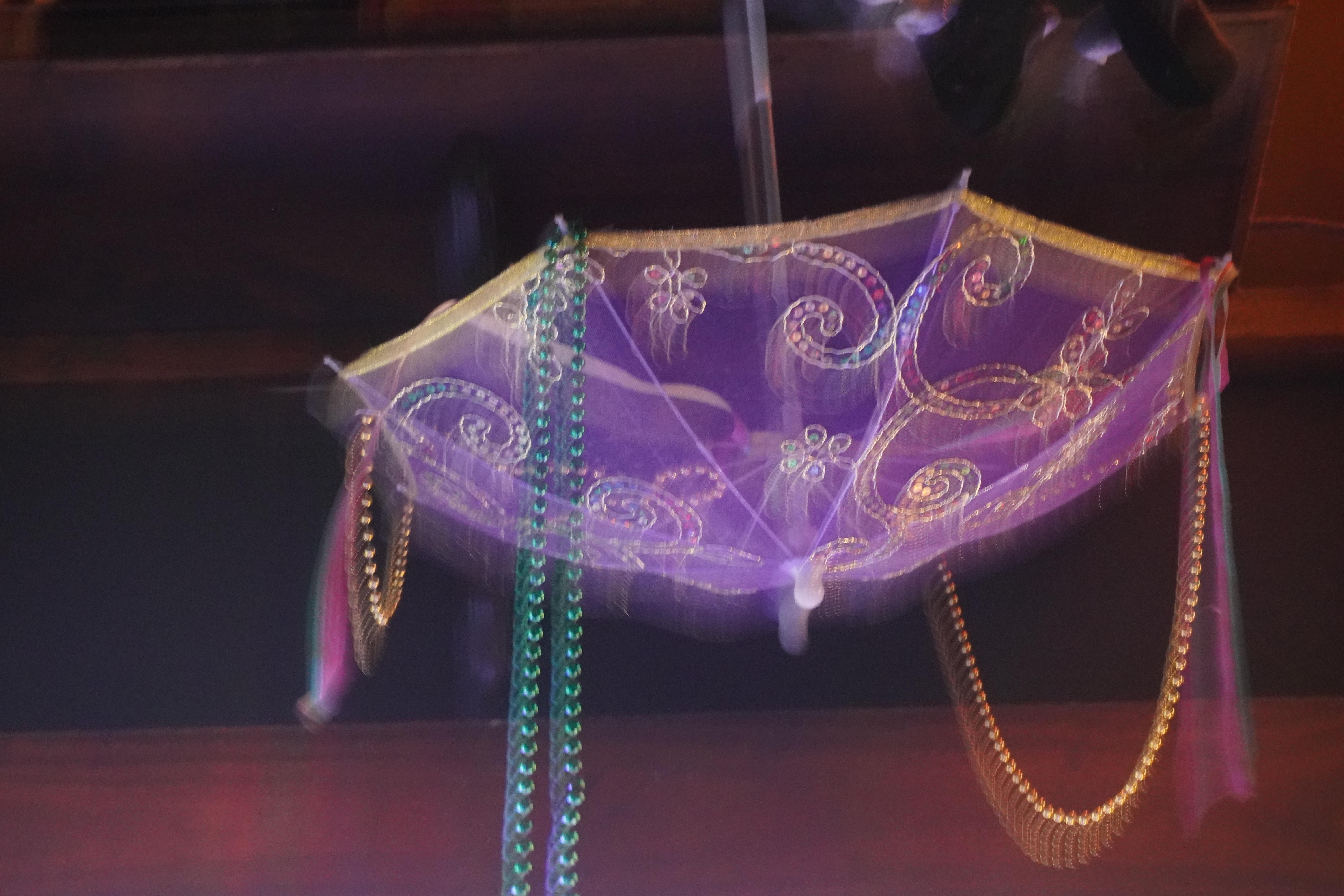
Mardi Gras parasol
A Mardi Gras-themed parasol adorned with beads highlights how downtown Mobile's redevelopment often draws upon the city's cultural traditions as both an economic asset and a defining feature of its public image. Photo by M.I.Reynolds/The People's Cooperative.


The plan states, "The Renewal Committee's vision is that: Downtown Mobile will be a National Leader in Commerce, Creativity, Culture, and Community." The city's deep roots in the Mardi Gras tradition are part of the story the city tells about its culture.
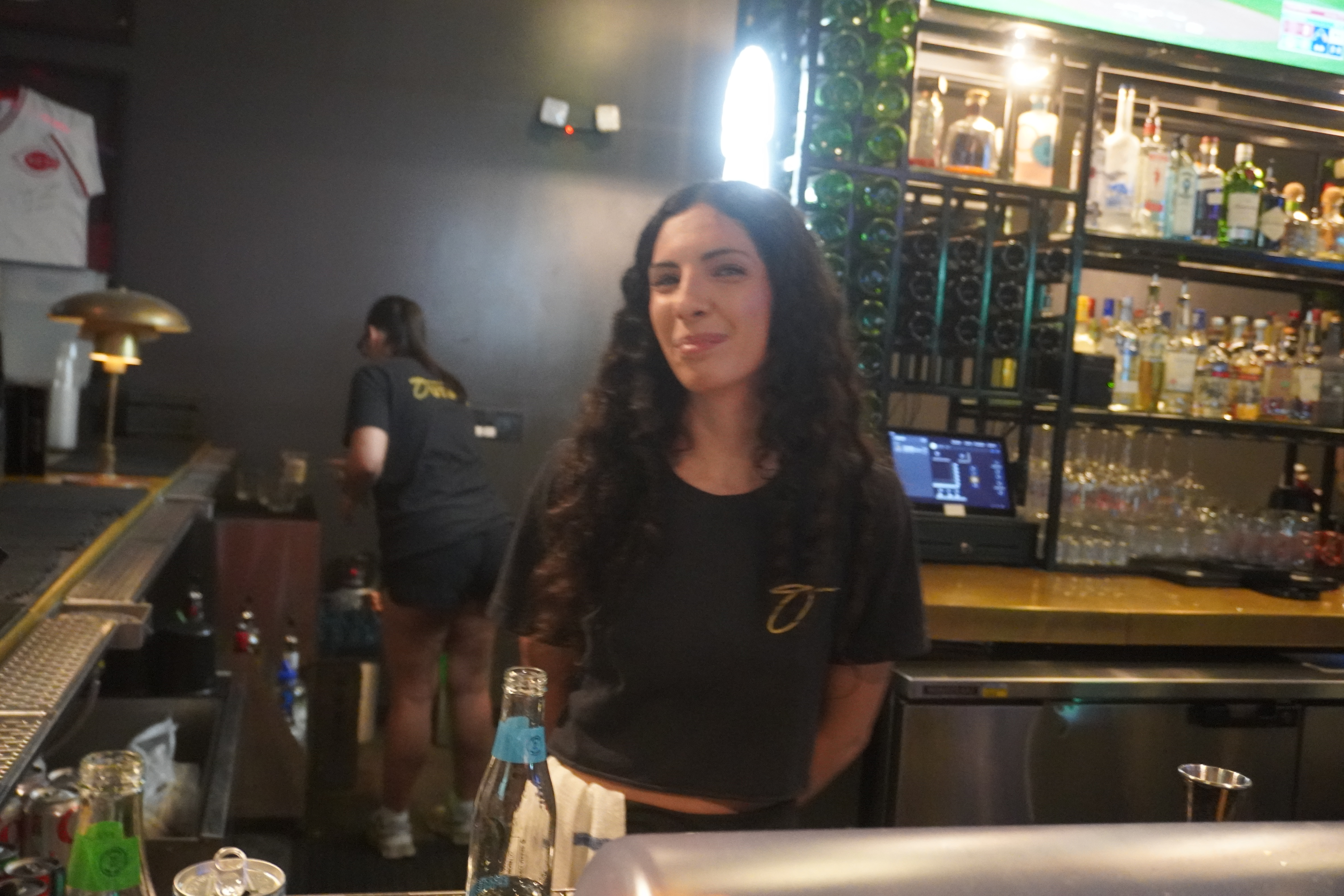
Smiling bartender
A downtown bartender smiles during service, representing the hospitality and nightlife economy that BID leaders cite as evidence of increased foot traffic and commercial vitality. Photo by M.I.Reynolds/The People's Cooperative.


The BID's plan cites statistics showing "Night Life and Bars" as a major reason people visit downtown increased from 56% in 2014, the year the previous BID management plan was released, to 61% in 2019.
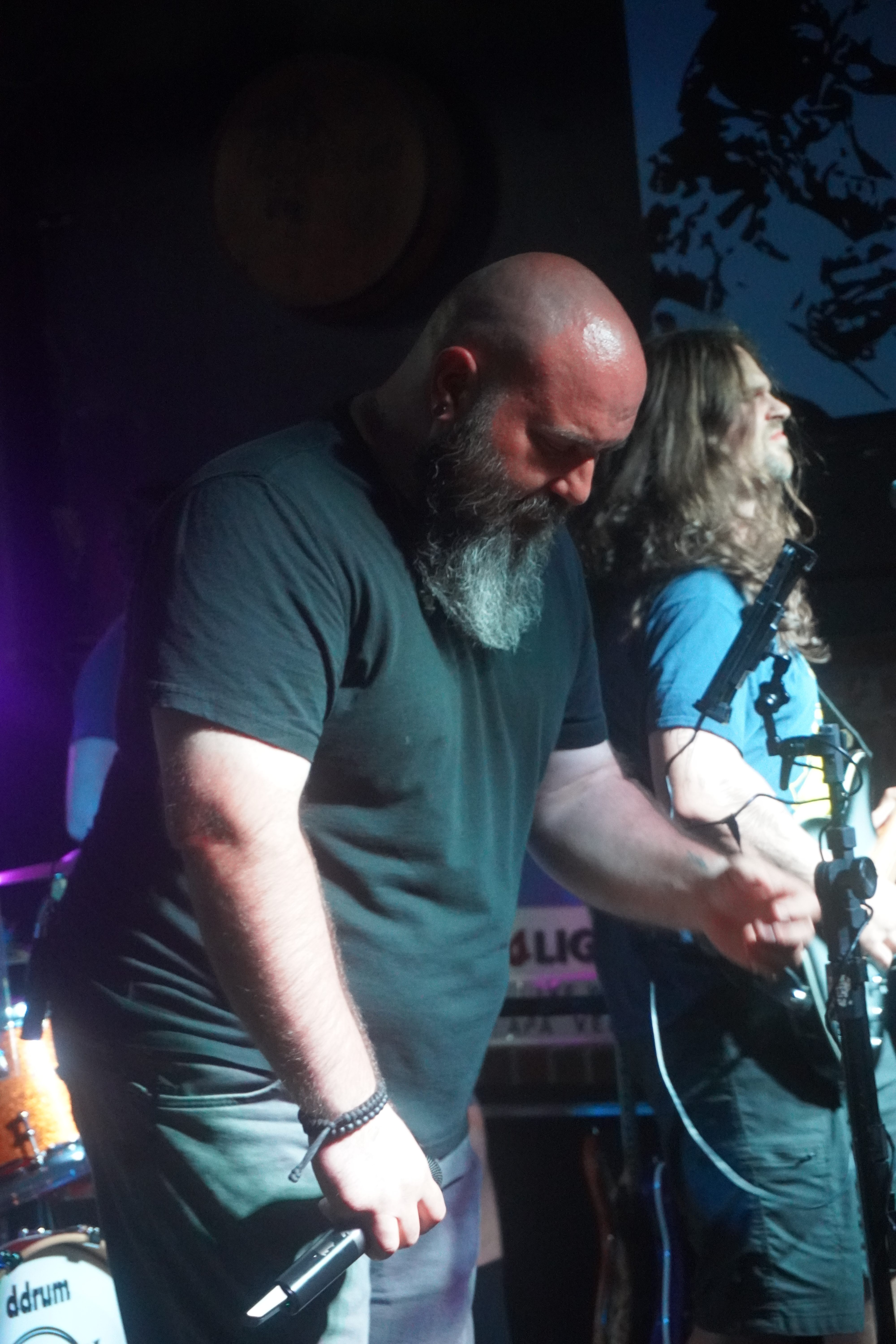
Singer on stage
Live musicians perform downtown, illustrating Mobile's ongoing investment in arts, entertainment, and public culture as part of broader efforts to position the district as a center of commerce and community life. Photo by M.I.Reynolds/The People's Cooperative.


Part of the BID's stated music, arts, and events strategy is to "encourage and organize regular concerts of various descriptions."
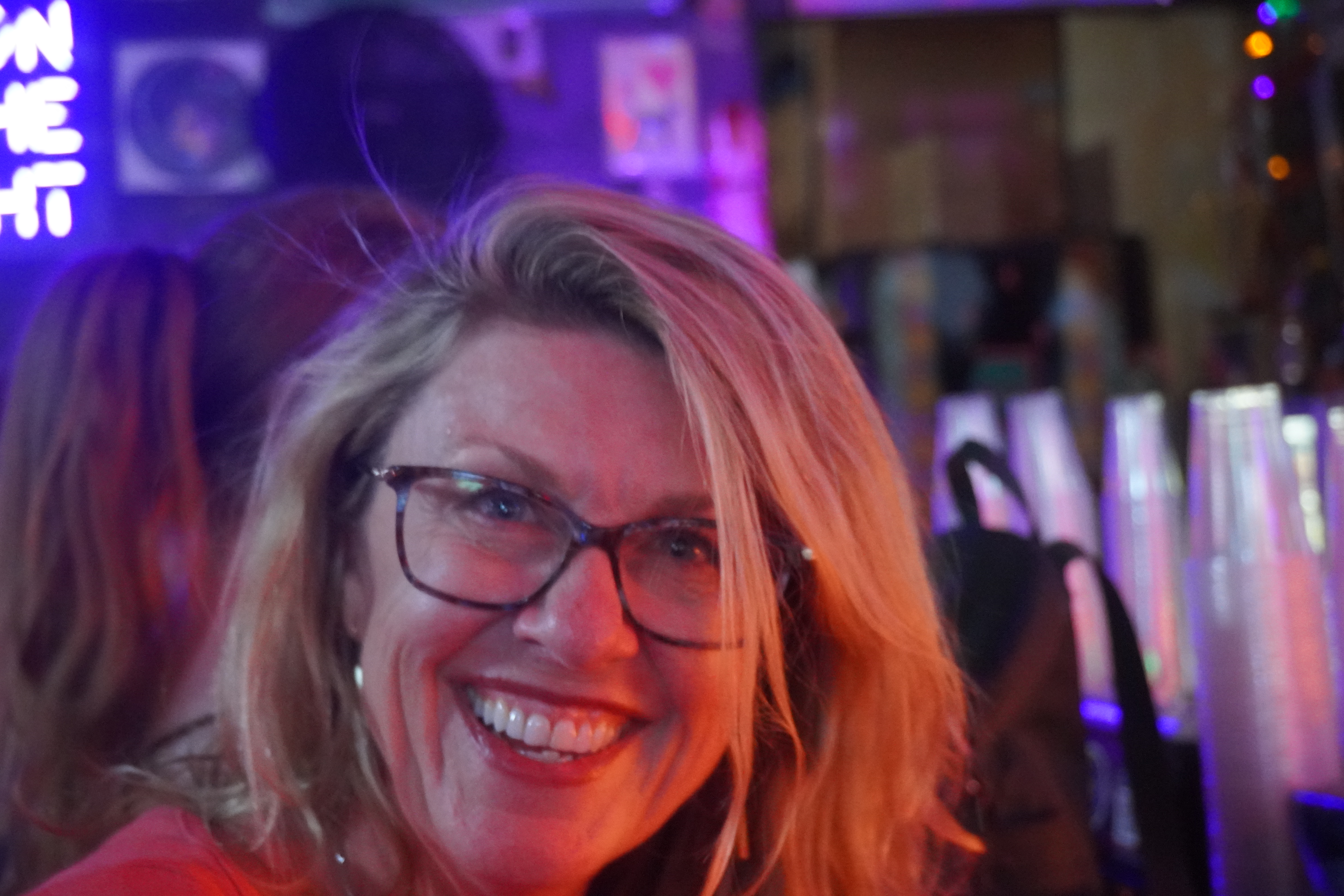
Closeup of woman smiling
Delane Bond, a downtown business owner, shared her perspective on how BID policies have shaped her business, offering a firsthand account of revitalization's promises. Photo by M.I.Reynolds/The People's Cooperative.


Delane Bond is the owner of Hayley's, which has been open on the corner of Dauphin and North Jackson St. since 1991, 14 years before the BID began in 2005. Concerning the BID, she feels, "They're really, really good at keeping the flowers and the exterior up...but part of what I think that they may be losing is they're supposed to be a voice for us when things seem unfair, and sometimes I don't feel like we get that," she says, "So I would say improvement would be needed [for] them to remember where they came from and help us out properly."
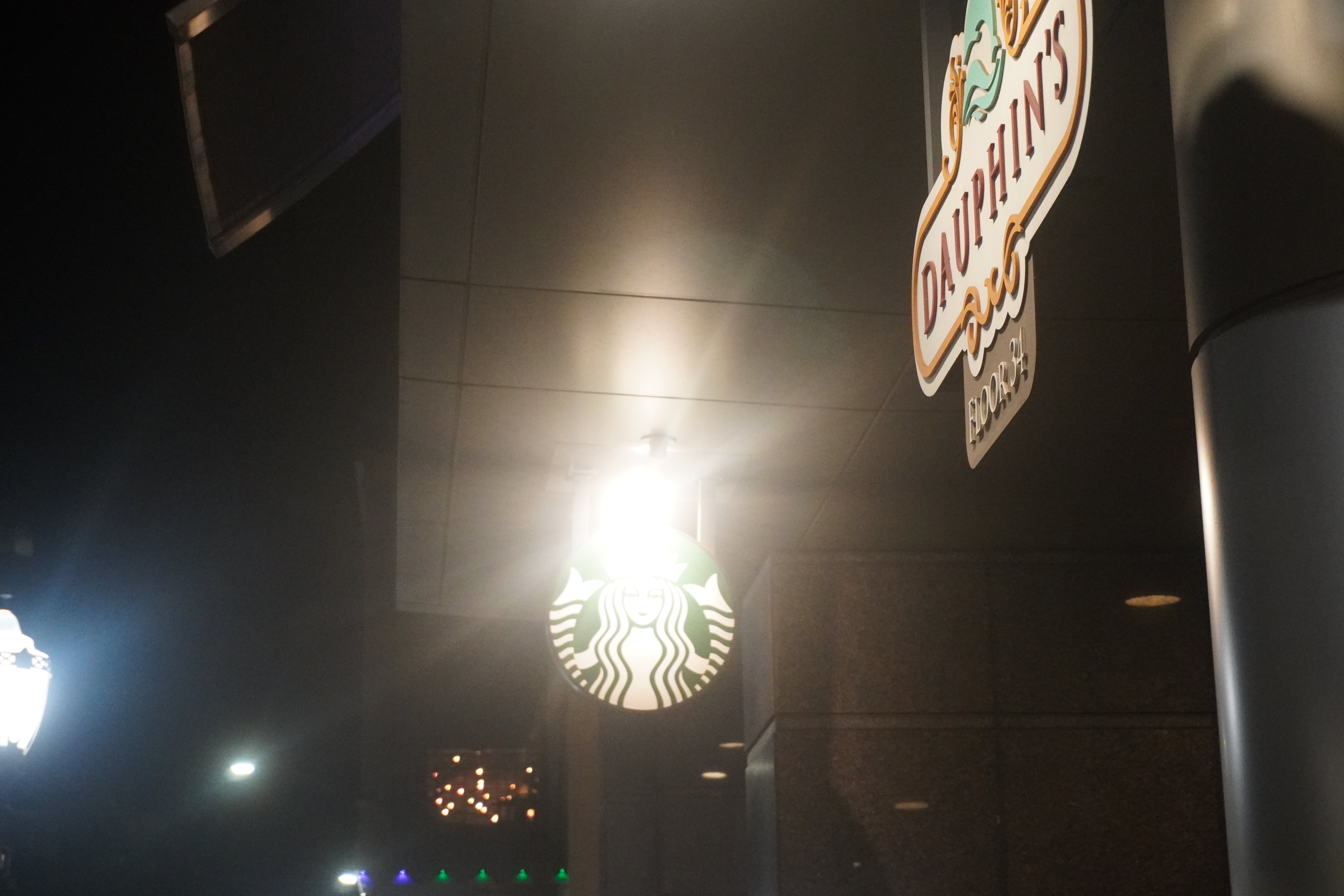
Starbucks logo with halo of light
A downtown Starbucks reflects Mobile's growing integration of national corporate brands-raising questions about whether revitalization preserves local commerce or accelerates commercial homogenization. Photo by M.I.Reynolds/The People's Cooperative.


There is some research suggesting that BIDs may not be serving all of the citizens equally in the areas they operate. Some sources claim that BIDs have a gentrifying effect on the areas they operate in.
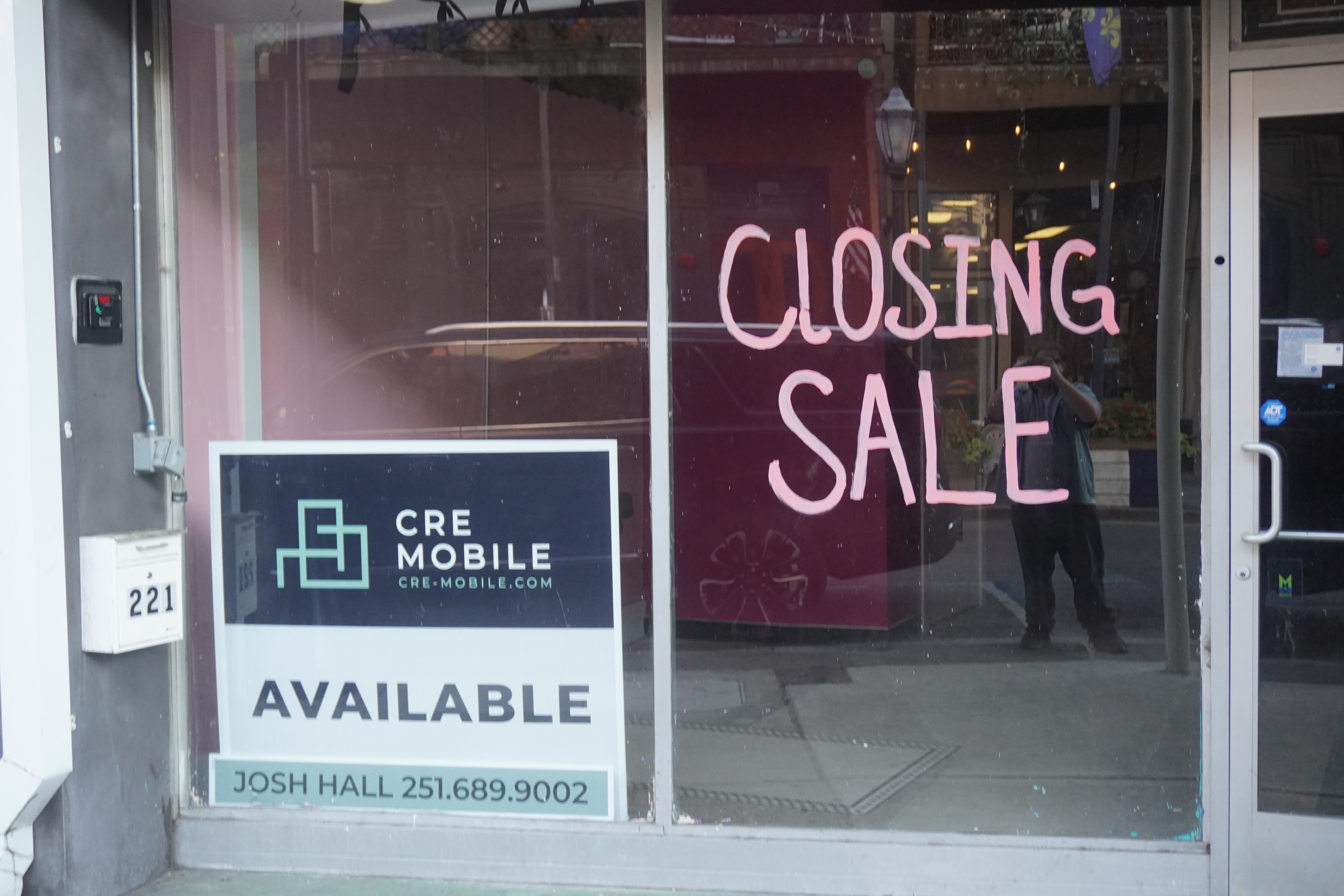
Storefront that says Closing Sale
A storefront marked "Closing Sale" reflects ongoing commercial instability despite BID promises to reduce vacancies and strengthen local business sustainability. Photo by M.I.Reynolds/The People's Cooperative.


Despite BID goals to reduce empty storefronts by 50%, some businesses still struggle.
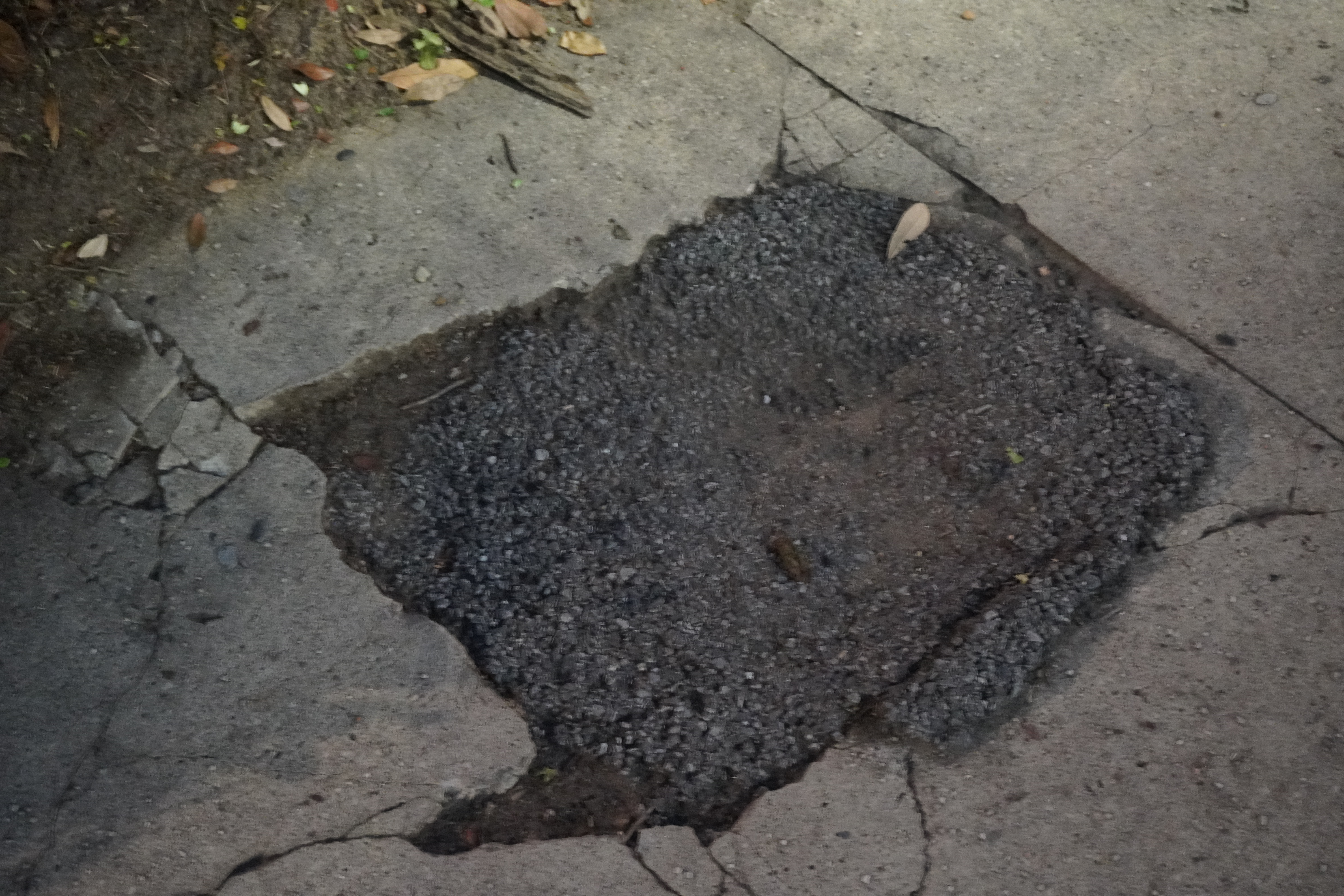
Broken sidewalk with asphalt
Damaged sidewalks in downtown Mobile reveal lingering infrastructure issues despite BID commitments to improve pedestrian accessibility and public space quality. Photo by M.I.Reynolds/The People's Cooperative.


The BID's stated goal of 100% sidewalk replacement also remains visibly incomplete.
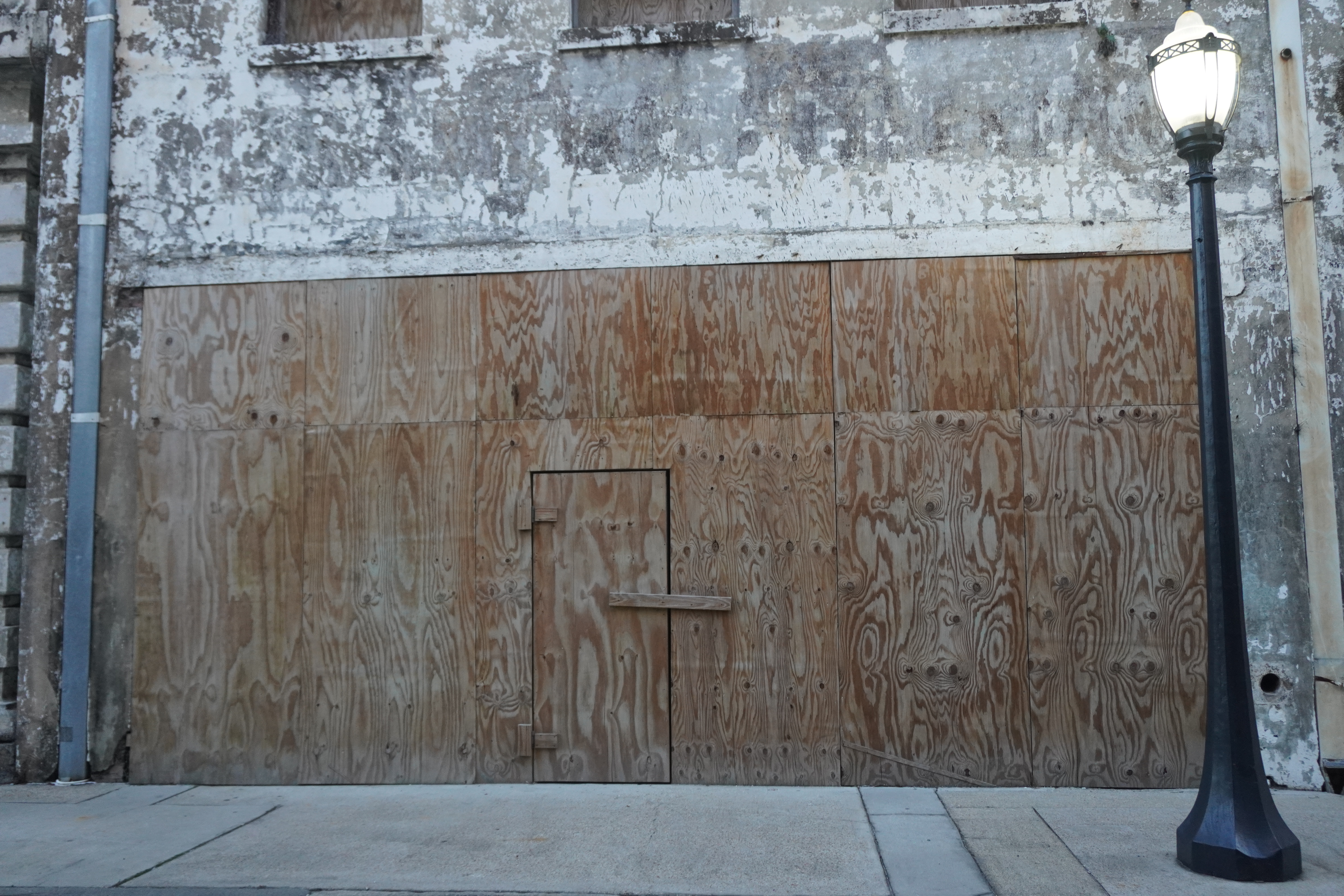
Boarded-up storefront
A boarded-up property on Royal Street underscores persistent commercial blight in parts of downtown, challenging claims that BID revitalization has been evenly distributed. Photo by M.I.Reynolds/The People's Cooperative.


Downtown's revitalization efforts remain uneven. The BID's stated beautification goal of reducing the number of blighted buildings by 50% is still underway, with mixed results.

The DMA's plan for the next five years can be found here.

About M. I. Reynolds

M. I. Reynolds is an independent journalist, storyteller, and tech enthusiast committed to uncovering the Truth. Reynolds highlights working-class stories at the intersection of labor, politics, history, community, technology, and the arts. He entered the world of investigative community journalism after discovering that his great-grandfather, Virdie Reynolds, helped build, lead, and inspire the southern community of Fairhope, Alabama during the 1920s. His goal is to carry on the family legacy and inspire new generations of working class people through concise, intelligent storytelling.