ART
Sonny Rollins Never Stopped Searching
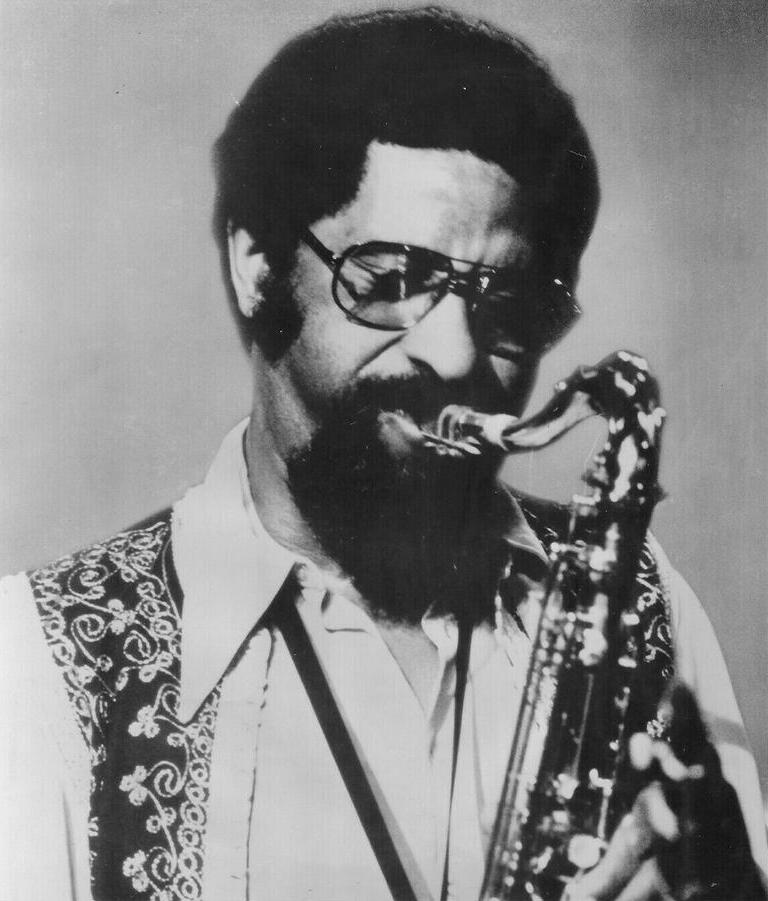
In 1954, he recorded the legendary sessions that would become Miles Davis with Sonny Rollins, a pivotal album that produced three instant standards in Airegin, Oleo, and Doxy and cemented Rollins as one of the greatest improvisational players in jazz.
Rollins also struggled. Heroin addiction derailed him in his early career, a battle which would send him into several self-imposed retreats from performing. He would famously practice alone on the Williamsburg Bridge for roughly two years, returning to the stage in 1961 with The Bridge—one of the most celebrated comeback records in jazz history.
Over the decades Rollins contributed immensely to the deep well of jazz. He won multiple awards, including several Grammys, a 2004 Lifetime Achievement Award, a 2010 National Medal of Arts, and entry into Down Beat magazine's Hall of Fame.
Health issues forced Rollins from the stage later in life. By 2014, he was unable to play. On May 25, 2026, one day before what would have been Miles Davis' 100th birthday, Rollins died in Woodstock, New York after a long battle with pulmonary fibrosis.
"I think when the creative person ends, he continues in the next existence," Rollins said in 2009. "I'm a person who believes this life isn't the be-all and end-all of everything. A spiritual person doesn't feel like that."
About M. I. Reynolds
M. I. Reynolds is an independent journalist, storyteller, and tech enthusiast committed to uncovering the Truth. Reynolds highlights working-class stories at the intersection of labor, politics, history, community, technology, and the arts. He entered the world of investigative community journalism after discovering that his great-grandfather, Virdie Reynolds, helped build, lead, and inspire the southern community of Fairhope, Alabama during the 1920s. His goal is to carry on the family legacy and inspire new generations of working class people through concise, intelligent storytelling.